
How to Stop Revenge Bedtime Procrastination – 7-Step Night Routine
Revenge bedtime procrastination is what happens when you finally have quiet time and your brain refuses to give it back to sleep. You know you are tired, you know tomorrow will hurt, but you keep scrolling, watching, or tinkering because it feels like the only time that is truly yours.
If you are trying to learn how to stop revenge bedtime procrastination, the goal is not perfect discipline. The goal is to redesign the last 60-90 minutes of your day so your nervous system can downshift and your habits do the work for you, even when willpower is low.
What revenge bedtime procrastination is and why it happens
Revenge bedtime procrastination is staying up later than you intend to reclaim personal time, usually after a day that felt packed, demanding, or out of your control. The revenge part is not anger at anyone in particular. It is your brain trying to compensate for a lack of autonomy by taking time from the only place it can.
This pattern is not a character flaw. It is a predictable loop: you feel depleted, you seek relief, and the easiest relief is low-effort stimulation. Sleep feels like giving up the only free hours you have, so you delay it and pay the cost the next morning.
- High-pressure days where you feel behind, judged, or constantly interrupted
- Evenings with no clear shutdown ritual, so stress bleeds into bedtime
- Phones in reach, with feeds designed to keep you engaged without a stopping point
- Low baseline energy, so your brain chooses the easiest pleasure available
Why doomscrolling is the default at night
At night your brain is more vulnerable to short-term rewards. After a long day, decision fatigue makes the harder option feel heavier. The phone offers instant novelty, social proof, and emotional intensity, all without effort.
Doomscrolling also acts like emotional avoidance. The feed keeps you from feeling what you feel when the lights go down: stress, dread, or the quiet fear that tomorrow will be the same. Scrolling is not just entertainment. It is a way to keep your internal world noisy enough that you do not have to listen.
A useful reframe is to treat late-night scrolling as a regulation strategy that is working, just with a terrible price. It reduces discomfort right now and increases discomfort tomorrow. If you replace it, you must replace the function, not just remove the habit.
The key difference between bedtime procrastination and true insomnia is that you usually can sleep, you just do not want to start. That matters because the solution is not forcing relaxation. It is reducing the emotional cost of ending the day and making the first few minutes of going to bed feel easy instead of final.
The 7-step plan to stop revenge bedtime procrastination
Most advice fails because it asks you to fight the strongest habit of your day at the weakest moment of your day. A better approach is to start earlier, lower friction, and make sleep feel like you are gaining something, not losing your only freedom.
Use the steps below as a system. Start with the first two, then add one per week. The goal is consistency, not intensity.

Step 1: Name the trade you are making
When you catch yourself delaying bed, say the trade out loud: I am trading tomorrow morning for this moment right now. It interrupts autopilot and gives you a clean decision point.
Step 2: Create a real end to the day
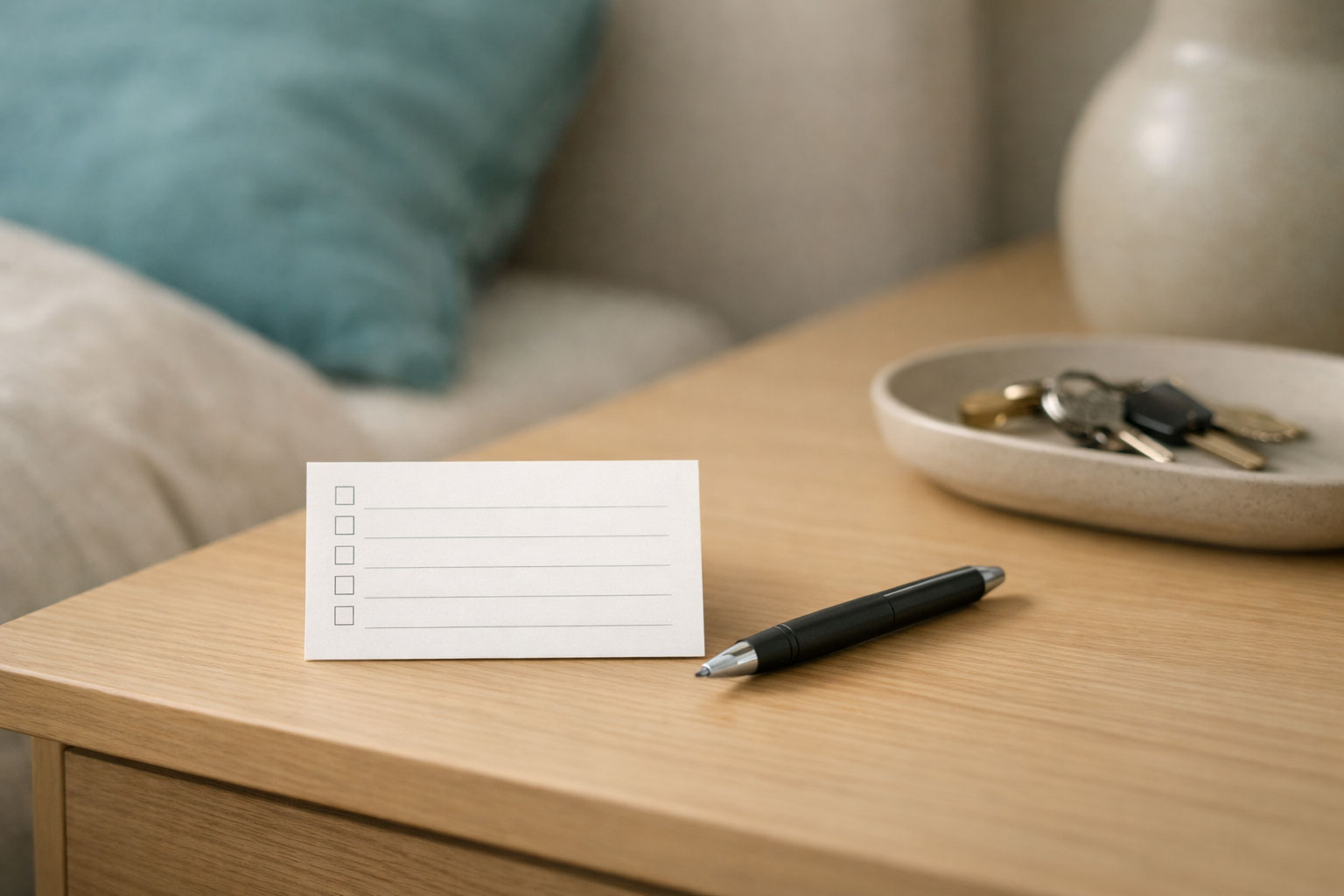
Create a 5-minute shutdown ritual that marks the boundary: write tomorrow’s first task on paper, close tabs, and physically leave your work zone. Your brain needs a signal that recovery has started, even if the day was messy.
Step 3: Schedule 20 minutes of guilt-free me-time
If you never get personal time, you will steal it from sleep. Put 20 minutes of intentional me-time earlier in the evening and keep it low-stimulation: reading, a shower, stretching, or tidying one small area.
Step 4: Add one hard stop you cannot ignore
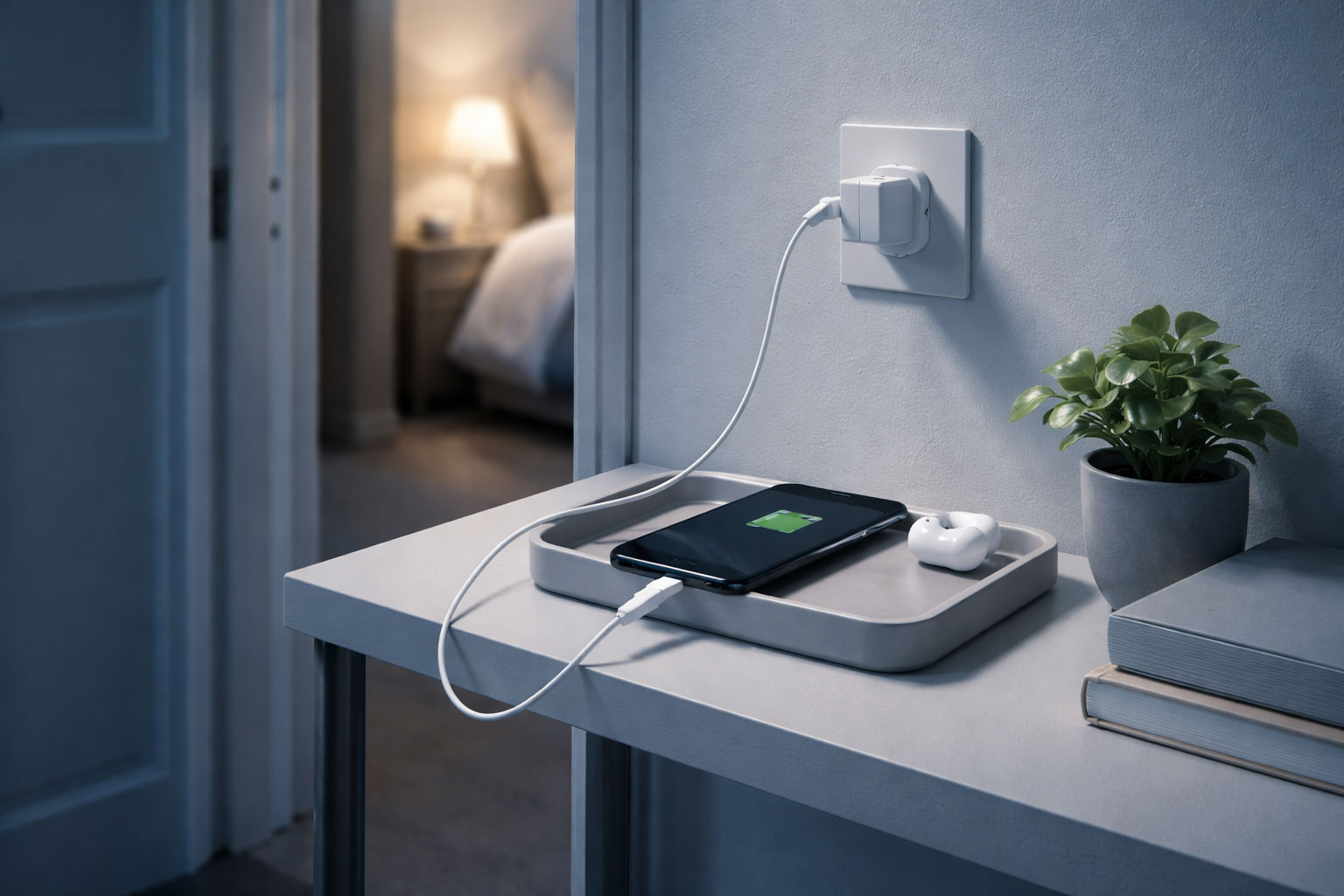
Soft limits fail because you can dismiss them. Add one hard stop that changes the environment: charge your phone outside the bedroom, use a basic alarm clock, or put the phone across the room so you must stand up to reach it.
Step 5: Build a boring wind-down sequence
Use a short chain of actions that always happens in the same order: dim lights, brush teeth, set clothes for tomorrow, then do one calming activity for 10 minutes. Repetition is the cue that makes your body cooperate.
Step 6: Replace scrolling with one substitute
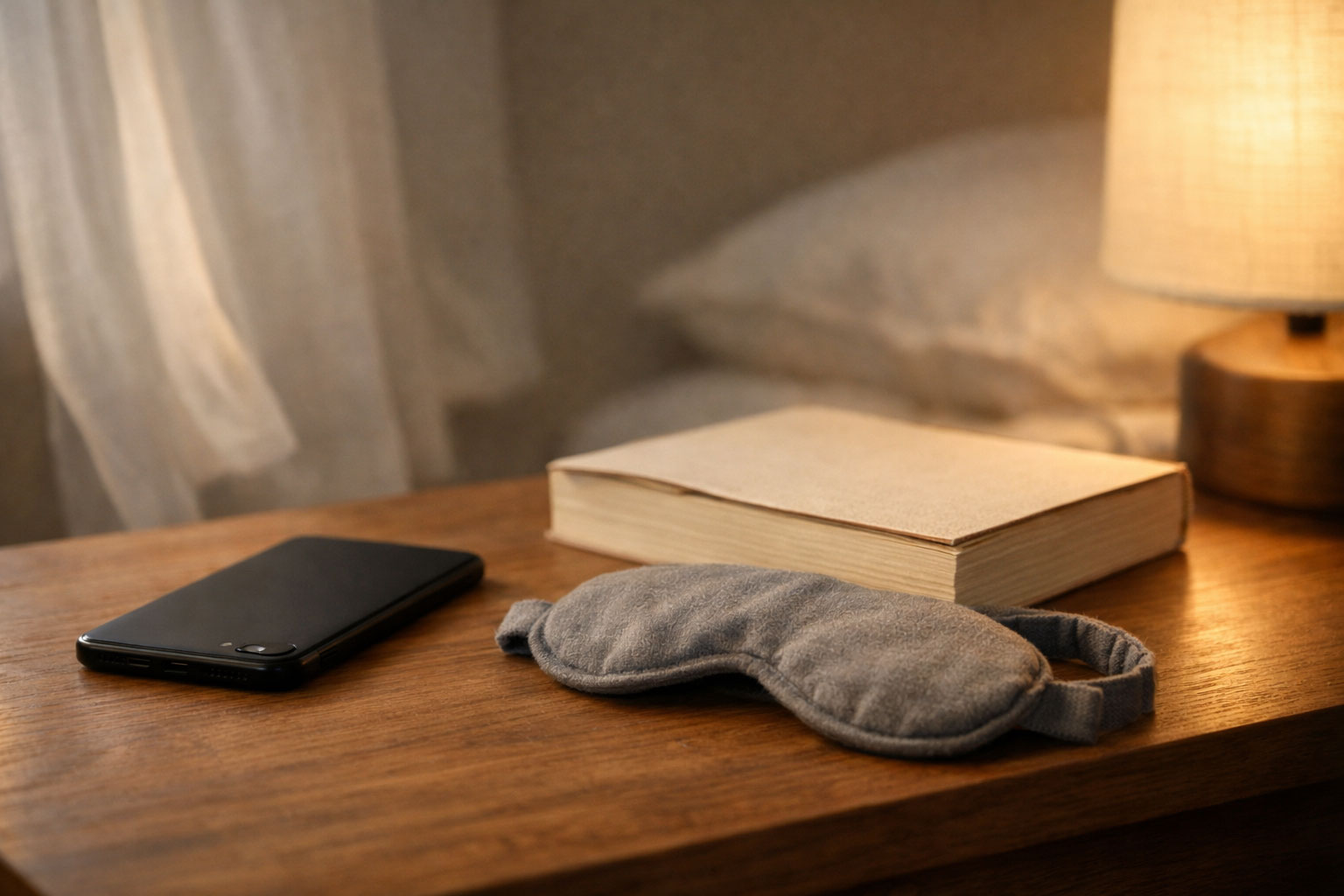
Pick one substitute that is always available and always easy: a paperback book, a journal with one prompt, or a short audio track with a sleep timer. Keep it the same for two weeks so it becomes automatic.
Step 7: Make mornings kinder so nights stop rebelling
If mornings feel like punishment, nights become your rebellion. Simplify your first task, reduce first-hour stress, and add one small reward so tomorrow feels worth protecting.
Start with the two-minute version
If your evenings are chaotic, a full routine can feel unrealistic and you will quit before it helps. The fix is to start with the smallest version that still changes the loop. Your goal for week one is not a bedtime. Your goal is a repeatable off-ramp.
Pick one action that creates distance from the feed and one action that signals sleep. For example: put the phone on a charger across the room, then brush your teeth. That is enough to start rewiring the pattern.
Once the two-minute version is stable, add one calming minute. Sit on the edge of the bed and take five slow breaths, or read one page of a paperback. Keep it small so you can succeed.
When you feel the urge to rebel, do not argue with it. Offer it a fair deal: you get 10 minutes of real personal time now, and you protect tomorrow by going to bed after. This keeps your need for autonomy in the plan instead of fighting the plan.
Make the plan friction-proof
Willpower is unreliable at night, so your environment has to carry the plan. The more steps you remove, the more likely you will follow through. Think like a designer: what would make the right choice the easiest choice?
Build a default bedroom that supports sleep. Reduce visual clutter, remove work triggers, and make the phone inconvenient, not forbidden. Then add one or two friction tools that are easy to maintain.

- Set the phone to grayscale or bedtime mode at a fixed time
- Turn on do not disturb for the last hour of the day
- Use a charging spot outside the bedroom, even if it is just the hallway
- Keep a physical book or journal as the only bedside alternative
- Dim lights after dinner to cue your body that the day is ending
- Prepare one small morning win so tomorrow does not feel like punishment
When you slip, how to reset in 60 seconds
You will slip. The goal is shortening the slip so it does not turn into three hours. A reset routine gives you a quick exit ramp when you catch yourself scrolling.
Use a simple 60-second reset that calms the body first, then changes the environment. When your body softens, your brain stops defending the habit.
- Put the phone face down without negotiating with yourself
- Take five slow breaths with a longer exhale than inhale
- Stand up and do one small action: bathroom, water, or lights down
- Return to your substitute habit: book, journal, or short audio
- Tell yourself: I can start again tomorrow, and that is enough
The practical and energetic view of this
Practically, revenge bedtime procrastination is a nervous system pattern plus a habit loop. At night you are depleted, your brain craves relief, and your phone delivers relief with no effort. The fix is building a routine that gives relief without stealing tomorrow.
The most effective levers are friction and cues. Friction makes scrolling harder to start. Cues make wind-down easier to follow. When you repeat the same sequence, your body learns it and the urge weakens.
Energetically, you can frame this as attention leakage. When your attention is scattered late at night, you wake up with less focus and less internal stability. A stable bedtime routine is a way to hold your energy in one place long enough to recover, and align your actions with the life you want to live tomorrow.
A simple test is this: if you feel more peaceful after the behavior, it is restoration. If you feel numb during it and guilty after it, it is avoidance. Use that test to choose replacements that actually give you what you think scrolling is giving you.
- Decide your bedtime and your phone cutoff time as two separate anchors
- Move the phone 10 feet away and make that your first win
- Choose one substitute habit and keep it identical for two weeks
- Give yourself 20 minutes of intentional personal time earlier in the evening
- Protect mornings with a simple first task and one small reward
FAQ
What if my only free time is late at night?
Do not start by removing it. Start by moving some of that freedom earlier. Even 15 minutes of intentional personal time at 7 PM reduces the urge to steal an hour at midnight.
Also tighten the definition of free time. Scrolling often feels like freedom but ends with regret, so pick one offline activity that feels like real ownership.
What if anxiety spikes when I put the phone away?
Start with distance, not deprivation. Put the phone across the room, then sit with the urge for 60 seconds. You are building tolerance, not punishment.
Pair the boundary with a calming bridge: breathing, a warm shower, or a short guided meditation with a sleep timer.
How long does it take to change the pattern?
Expect noticeable change within 7-14 days if you repeat the same cues. The first week is about reducing the worst nights, not perfect nights.
After two weeks, keep your phone boundary and your wind-down sequence stable for a full month before optimizing anything else.