
How to Cleanse Negative Energy at Home – 20-Minute Reset

If you are searching for how to cleanse negative energy in your home, you are probably not looking for theatrics. You want your space to feel lighter, calmer, and easier to breathe in after stress, conflict, or long weeks of mental clutter.
The fastest way to get that shift is not a single ritual. It is a sequence: change the physical environment, then change the sensory cues, then lock in a boundary so the room does not slide back into the same emotional weather.
What ‘negative energy’ usually means in a home
Most people use the phrase ‘negative energy’ as a shorthand for a pattern their body can sense: the room feels tense, stagnant, or heavy. It can show up after arguments, illness, sleepless seasons, or even after too much screen time and not enough sunlight. Nothing mystical has to be happening for the experience to be real.
From a practical lens, your nervous system reads cues from your environment all day. Clutter signals unfinished tasks. Harsh lighting signals alertness. Lingering odors signal dirt or decay. Noise, messy surfaces, and visual chaos raise your baseline stress without you noticing. When you walk into a room full of those cues, your body calls it ‘bad energy’.
From an energetic lens, you can treat a home like a container that holds repetition. The more you repeat the same emotion in the same location, the more quickly that location brings the emotion back. Whether you call it resonance or conditioning, the fix is similar: introduce a clear interruption and then install new repeated cues.
The 20-minute reset that changes a room fast
If you need an immediate shift, do not start with incense or crystals. Start with airflow and surfaces. Your goal is to reduce sensory friction so your body can downshift without having to negotiate with the room.
This reset works best when you pick one room and finish it. A half-finished cleanse across the whole house often creates more tension because it adds more open loops. Commit to one space, get the win, then repeat later.
Set a timer for 20 minutes and treat the reset like a sprint. Aim for ‘good enough’ on three anchors: clear the air, clear one surface, and clear the main floor path. Those simple changes usually create the immediate shift you can feel.
- Open a window or door for 3-5 minutes to change the air.
- Grab a trash bag and remove obvious visual noise: wrappers, mail piles, empty cups, and packaging.
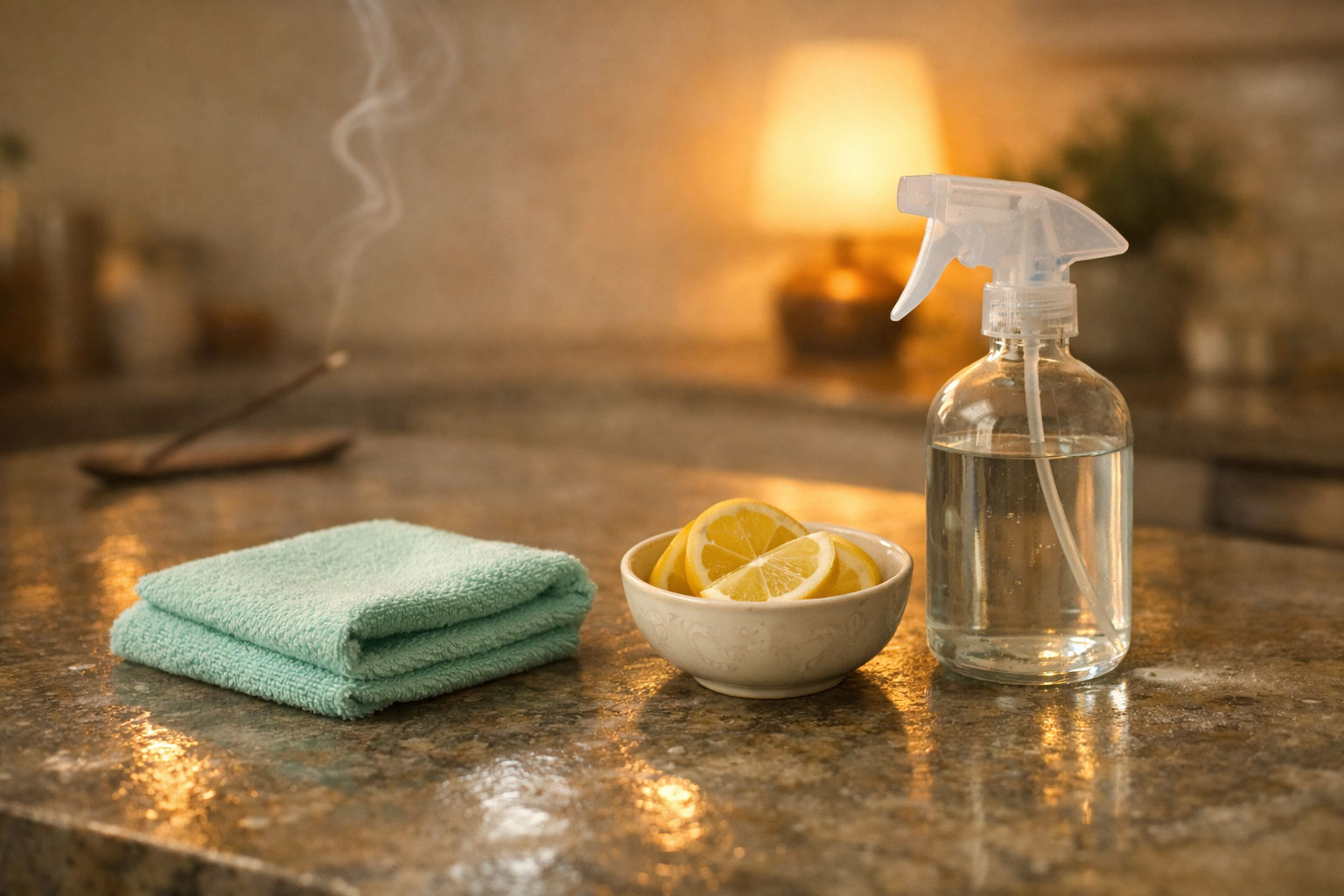
- Clear one surface fully (counter, coffee table, nightstand) and wipe it down.
- Do one fast floor pass: vacuum the center, or sweep the main walkway.
- Reset the ‘center object’ the room points at (sofa throw, bed pillows, or table centerpiece).
- End with one calming sensory cue: softer lamp light or a clean, neutral scent.
Deep clean versus energy clean: combine them without getting weird
A deep clean is about sanitation and maintenance. An energy clean is about perception and meaning. You can do both without turning your home into a ceremony, and you will get better results when you combine them.
Think in layers. First remove what is objectively unpleasant: dust, sticky surfaces, laundry smells, or trash. Then adjust what is subjectively stressful: too much stuff in sight, harsh light, and anything that reminds you of a bad moment. The second layer is where the ‘energy’ shift usually happens.
If you like symbolic actions, keep them simple and attached to a practical mechanism. For example, wiping a doorway with a fresh cloth can be a boundary cue, not magic. Ringing a small bell can be a sound pattern interrupt, not superstition. A bowl of salt can be a reminder to keep the entryway clean, not a promise that salt absorbs emotions.
- Pick a start point and an end point so you feel completion (front door to back door, or left to right).
- Clean top to bottom: high shelves, then surfaces, then floors.
- Move through the space once with purpose instead of bouncing between tasks.
- When you finish a room, add one ‘new story’ object: fresh towel, clear vase, or a neatly folded throw.
Use sensory levers to make the space feel lighter
After the basics are handled, the fastest way to change how a room feels is to change what your senses receive. This is why some homes feel calm even when they are not spotless and other homes feel edgy even when they look clean.
Your brain uses sensory input to predict safety. Softer light and simple visual lines reduce scanning. Clean air and neutral scent reduce vigilance. Predictable sound reduces startle. When these cues shift, your body stops bracing and the room feels ‘cleansed’.
- Light: turn off overheads, use a warm lamp, and let daylight in when possible.
- Sound: 2 minutes of silence, then low steady sound (fan, rain track, or soft instrumental).
- Scent: choose one clean cue like citrus, rosemary, or unscented fresh air, not a mix.
- Temperature: slightly cooler air often feels clearer, especially at night.
- Texture: add one soft anchor (blanket, rug, or pillow) so your body reads comfort.

Stop re-contaminating the space with a simple boundary
Most homes do not get heavy because of a single event. They get heavy because stress keeps walking back in. If you clear a room but keep the same inputs, your body will rebuild the same feeling in a day or two.
A boundary is not only about other people. It is also about what you allow into your attention inside your home. The goal is to reduce the number of micro-stressors that leak into the space and turn it into a pressure cooker again.
Watch the invisible inputs too. Constant news, notifications, and scrolling can make a clean room feel tense. If your home is where you recover, protect it like sleep: fewer inputs, fewer spikes, and fewer emotional leftovers that settle into the space.
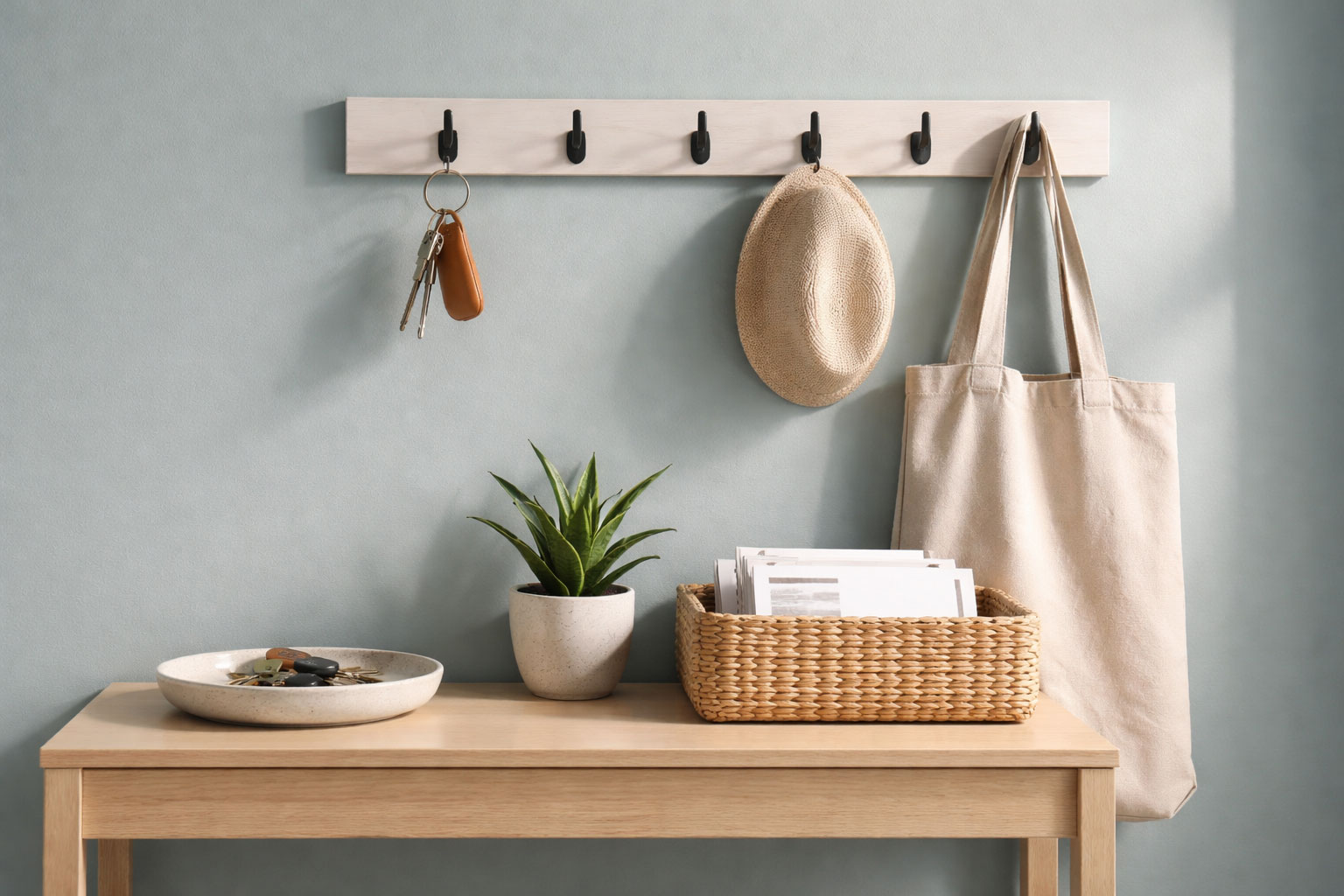
- Create an entry rule: shoes off, keys in one place, and no piles on the first surface you see.
- Move arguments out of bedrooms. If conflict happens, resolve it in a neutral room.
- Keep one ‘quiet corner’ that never becomes storage, even if the rest of the house gets messy.
- Set a screen boundary: no scrolling in the last 30 minutes before sleep.
- Choose one daily reset habit: clear the sink, clear the coffee table, or take out trash nightly.
The practical and energetic view of this
Practically, the room changes when you change inputs that your nervous system tracks: clutter, light, noise, smell, and unfinished tasks. When those cues reduce, your body stops scanning for problems and your mind gets quieter. That is the core mechanism.
Energetically, you can frame the home as a mirror of attention. When your attention is scattered, the space tends to collect scattered objects. When your attention becomes deliberate, the space begins to reflect that order. The ‘cleanse’ is less about forcing something out and more about choosing what you repeatedly invite in.
Use the energetic lens as a motivation tool, not as a replacement for action. If you want your space to hold calmer energy, you will build it the same way you build any habit: repeat small cues until they become the default.
- Pick one room as your ‘reset room’ and practice finishing it fully each time.
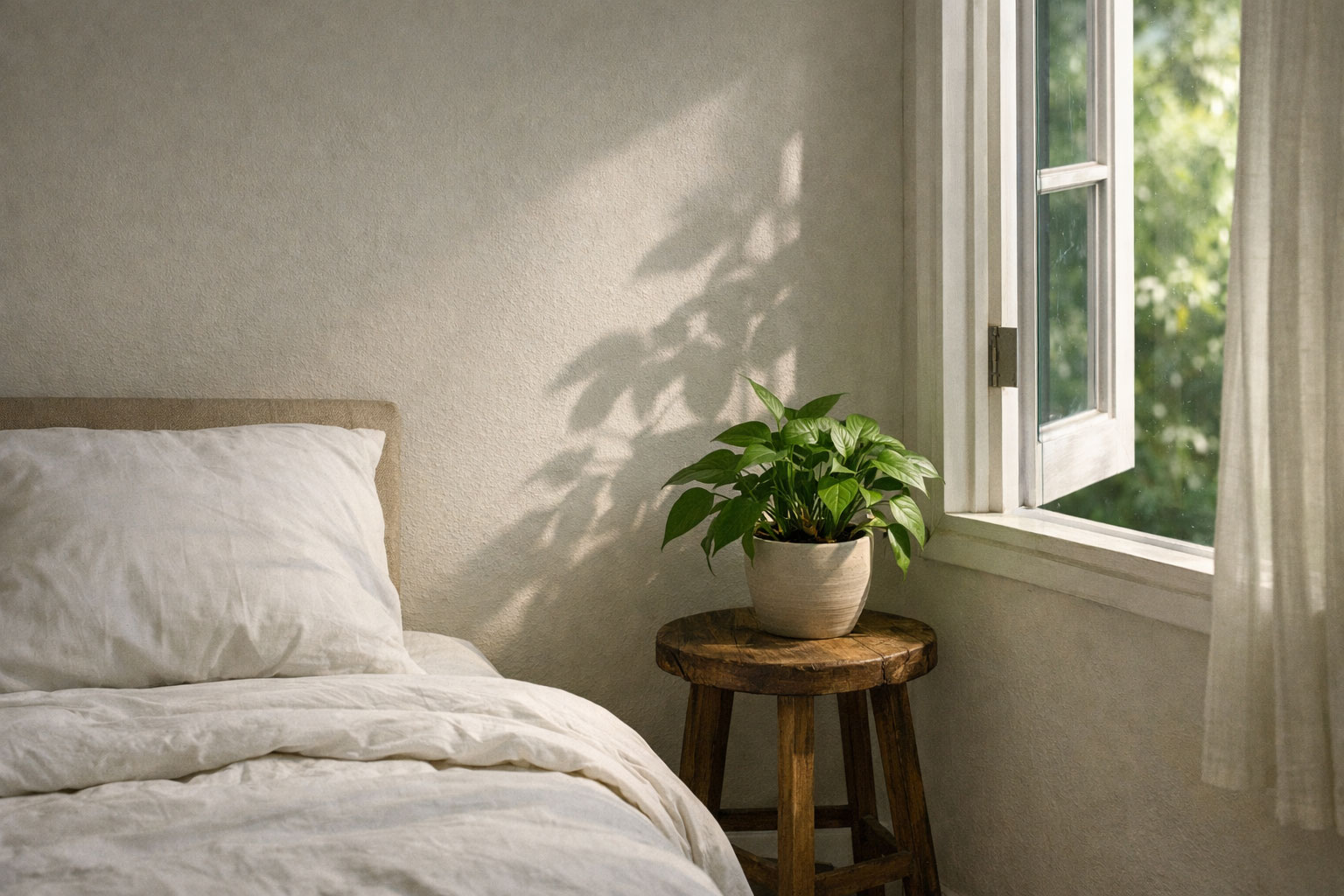
- Use airflow first: open a window before you clean anything.
- Replace one harsh light source with one warm lamp or indirect light.
- Remove one object that connects to a negative memory and store it out of sight.
- Install one anchor ritual that is also practical, like wiping the entryway weekly.
- End each reset by sitting for 60 seconds in the room with no phone.
Troubleshooting: when the room still feels heavy
Sometimes the environment is not the whole issue. A room can feel heavy because you are depleted, grieving, or running on poor sleep. In that case, the space feels like the problem because it is the closest thing you can control.
Still, there are concrete reasons a room can resist a reset. The answer is usually to identify the hidden friction point that keeps re-triggering your brain. Fix the friction point and the room often flips quickly.
- Lingering smell: wash soft fabrics, empty trash, and clean the drain. Odor is a strong threat cue.
- Visual clutter returns: you need fewer items, not better organizing. Remove 10 percent.
- Lighting feels harsh: change bulb temperature or add a single lamp for indirect light.
- Conflict memory: rearrange one key piece of furniture to break the mental replay loop.
- Noise stress: add soft materials (rug, curtains) to reduce echo, and lower volume defaults.
A simple weekly schedule to keep the energy clear
You do not need a full cleanse every time life gets messy. What you need is a maintenance rhythm that keeps the home from becoming a storage unit for stress. The lighter the schedule, the more likely you will do it.
Use this as a baseline and adapt it. The goal is consistency, not perfection. When the reset becomes predictable, your body trusts the home again and you stop looking for an escape.
- Daily (5 minutes): clear one surface and remove trash.
- Twice per week (15 minutes): floors in main walkway and quick bathroom wipe.
- Weekly (30 minutes): entryway reset, laundry smells handled, and a fresh towel or throw swap.
- Monthly (60 minutes): remove unused items, check storage hotspots, and refresh light bulbs as needed.
Once you know how to cleanse negative energy in your home, you can treat it like a repeatable system. Reset one room, lock one boundary, and let the space train your nervous system back toward calm.