
Sleep Optimization Techniques Backed by Science
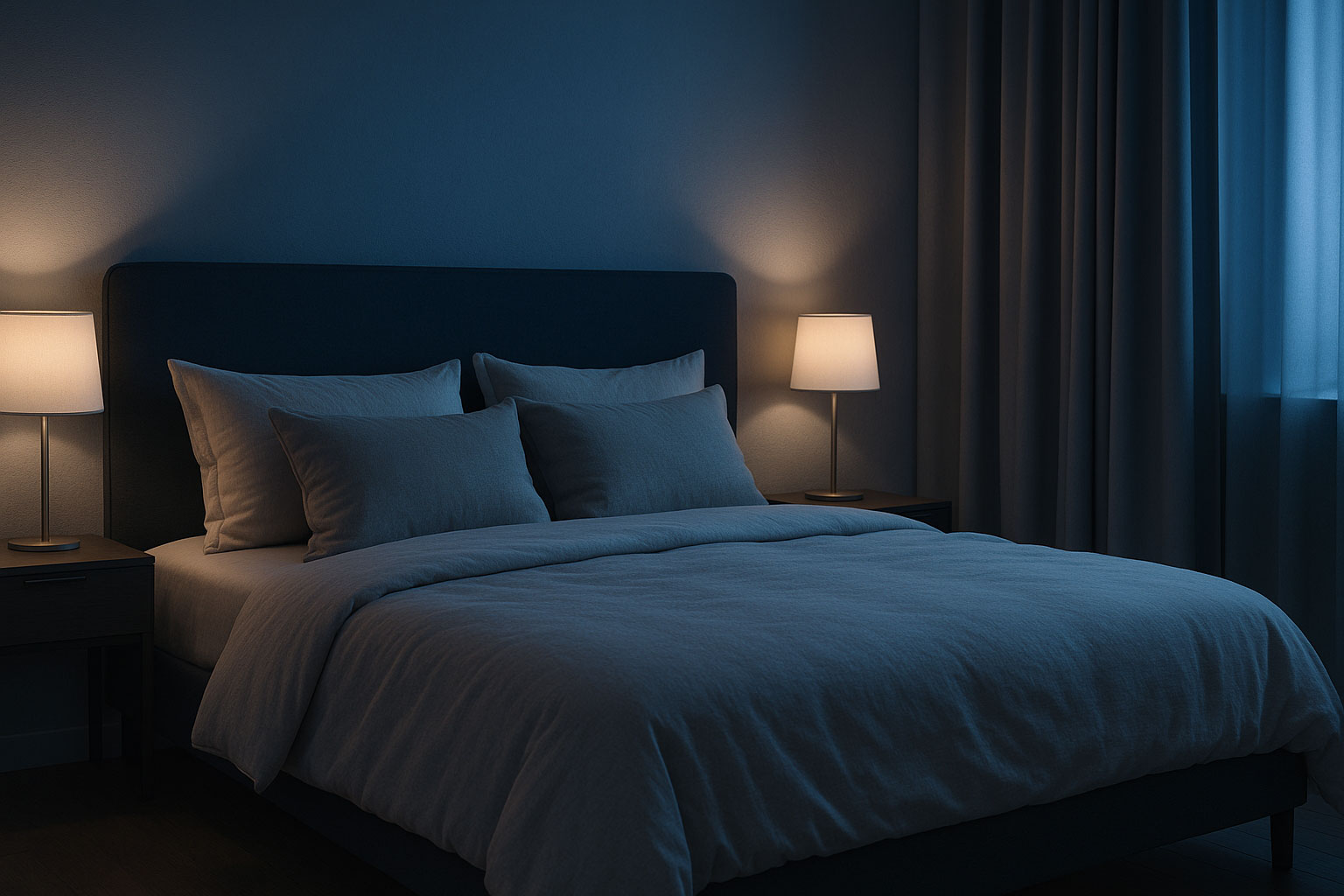
Sleep is one of the most powerful ways to restore energy, sharpen mental clarity, and support long-term health, yet millions of people struggle to get enough of it. By applying proven sleep optimization techniques backed by science, you can train your body and mind to rest more deeply and wake up refreshed. These strategies go beyond common advice and provide actionable steps you can start today.
Why Sleep Quality Matters More Than Sleep Quantity
It’s tempting to focus only on how many hours you spend in bed, but science shows that the quality of sleep is just as important as the duration. Deep sleep and REM cycles are when memory consolidates, hormones balance, and the body repairs itself. When sleep quality is poor, even a full eight hours can leave you groggy.
During deep sleep, growth hormone is released to repair muscles, while the brain clears waste products through the glymphatic system. REM sleep strengthens creativity and problem-solving. Without enough of these restorative stages, productivity, mood, and long-term health decline. Optimizing sleep means paying attention to both consistency and depth.
Understanding the Circadian Rhythm
Your body follows an internal clock called the circadian rhythm, which regulates sleep and wake cycles. This rhythm is strongly influenced by light exposure and daily habits. When your circadian rhythm is aligned, falling asleep and waking up feels natural and effortless. When it’s disrupted by irregular schedules, late-night screen time, or poor lighting, sleep becomes shallow and restless.
To align your circadian rhythm, aim to wake up and go to bed at the same time every day. Exposure to natural sunlight in the morning helps reset your internal clock, while minimizing bright light at night tells your brain it’s time to wind down. Over time, this trains your body to naturally release melatonin in the evening and cortisol in the morning at the right times.

Create a Consistent Sleep Schedule
The body thrives on routine. Going to bed and waking up at inconsistent times confuses the circadian rhythm, leading to irregular energy levels. Research shows that maintaining a consistent sleep schedule, even on weekends, supports better overall sleep quality. Pick a bedtime that allows for seven to nine hours of rest and stick to it as closely as possible.
Consistency also improves “sleep efficiency,” the ratio of time spent asleep to time spent in bed. When your body expects sleep at a specific time, it takes less time to drift off and fewer awakenings occur during the night.
Build a Calming Bedtime Routine
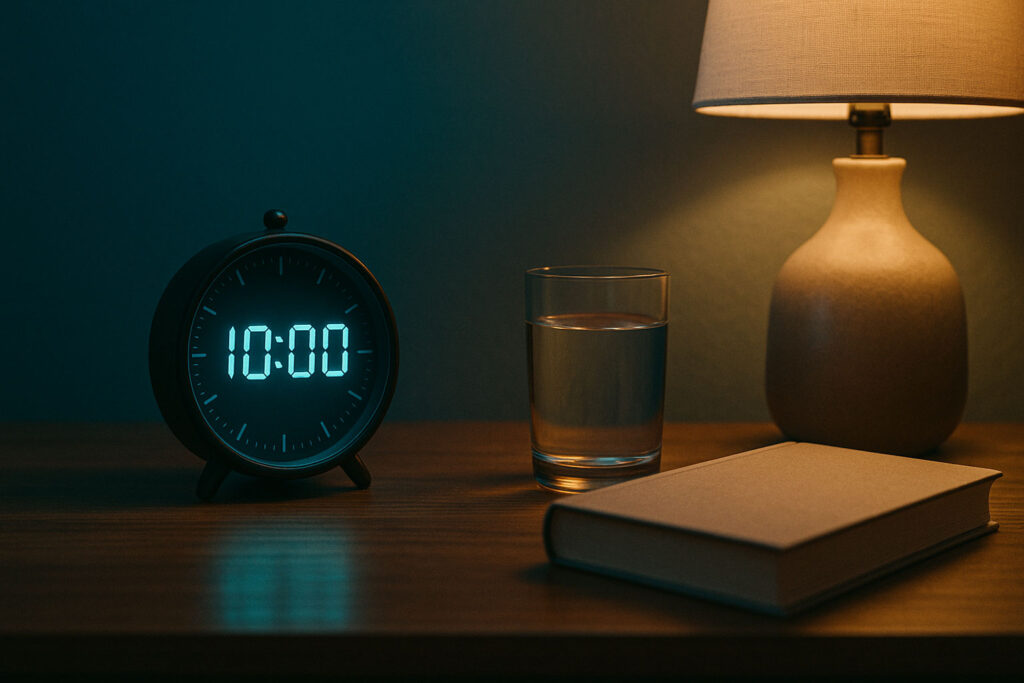
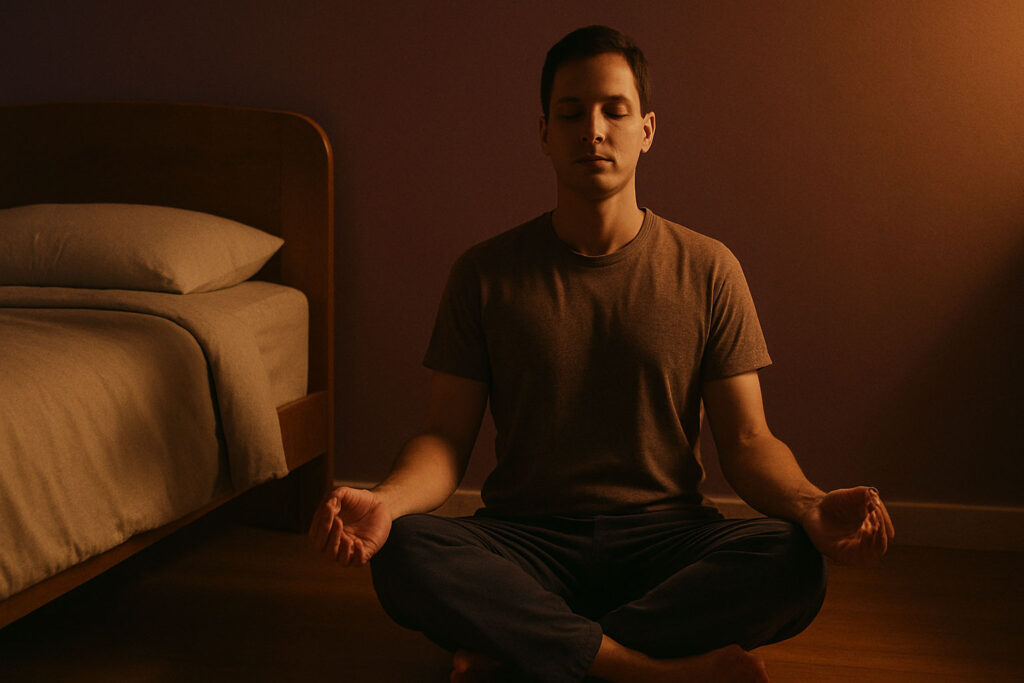
What you do in the hour before bed strongly influences how easily you drift off. A bedtime routine works like a signal to your brain that it’s time to slow down. Activities such as reading a book, stretching, journaling, or practicing meditation can create the right mindset for sleep. Relaxation techniques reduce stress hormones like cortisol, which interfere with rest.
Avoid stimulating activities such as intense exercise, social media scrolling, or late-night snacking. The key is consistency: repeating the same routine each night conditions your body to associate those actions with sleep readiness. Even something as simple as dimming the lights and sipping a caffeine-free tea can become a powerful trigger for rest.
Limit Exposure to Artificial Light at Night
One of the biggest disruptors of sleep in the modern world is artificial light. Blue light from phones, tablets, and computers suppresses melatonin, delaying the natural onset of sleep. Even household lighting can trick the brain into thinking it’s still daytime.
To counter this, dim lights an hour before bedtime and avoid screens whenever possible. If you must use devices, enable blue light filters or wear blue-blocking glasses. Small adjustments like these allow your brain to transition smoothly into sleep mode. Studies confirm that reducing light exposure before bed shortens the time it takes to fall asleep and increases sleep quality.

Optimize Your Sleep Environment
Your bedroom should feel like a dedicated sanctuary for rest. Studies consistently show that temperature, darkness, and noise levels directly influence sleep quality. The ideal sleep environment includes:
- Cool temperatures: Around 65–68°F (18–20°C) is optimal for most people.
- Complete darkness: Use blackout curtains or a sleep mask to block light.
- Quiet space: White noise machines or earplugs can help reduce disturbances.
- Comfortable bedding: A supportive mattress and pillows tailored to your sleeping style make a huge difference.
A clutter-free environment also promotes mental calmness, helping you relax as soon as you enter the room.
Manage Stress Before Bed
Stress and anxiety are leading causes of insomnia. Racing thoughts keep the brain alert long after the body is ready for rest. Practicing stress-reduction techniques such as mindfulness meditation, progressive muscle relaxation, or breathwork can significantly improve sleep onset and depth.
Writing in a journal before bed can also help release worries, preventing them from resurfacing during the night. Gratitude journaling in particular lowers stress and increases positive emotions, which leads to more restorative sleep. Even five minutes of deep breathing before bed can lower heart rate and blood pressure, setting the stage for deeper rest.
Pay Attention to Nutrition and Hydration
What you eat and drink throughout the day has a direct impact on sleep quality. Large meals or caffeine late in the evening can make falling asleep difficult. Alcohol may make you drowsy at first, but it disrupts deep sleep cycles, leaving you tired in the morning.
For optimal sleep, avoid caffeine after mid-afternoon and limit alcohol in the evening. Include foods that naturally promote rest, such as those rich in magnesium (almonds, spinach, pumpkin seeds) and tryptophan (turkey, oats, bananas). Herbal teas like chamomile and valerian root have been shown to support relaxation. Staying hydrated during the day is important, but reduce fluid intake before bed to avoid waking up frequently.
Use Light Exposure Wisely
Light is one of the strongest cues for regulating circadian rhythm. In the morning, exposure to bright natural sunlight signals the brain to stop melatonin production, making you feel alert. In the evening, darkness encourages melatonin release, preparing you for rest.
Spend at least 20 minutes outside in the morning whenever possible. If that’s not feasible, consider a light therapy lamp during winter months. These small adjustments reinforce natural sleep cycles and improve energy during the day.
Exercise Regularly, But Not Right Before Bed
Physical activity promotes better sleep, but timing matters. Moderate exercise during the day reduces stress and helps you fall asleep faster. However, intense exercise close to bedtime can increase heart rate and adrenaline, making it harder to wind down.
The best approach is to exercise earlier in the day or at least three hours before bedtime. Gentle activities like yoga or stretching in the evening can still be beneficial without disrupting rest. Consistent exercise is linked with increased slow-wave sleep, the most restorative stage of the cycle.
Understand the Role of Naps
Napping can be both a tool and a trap. Short naps of 20–30 minutes during the day can boost alertness, mood, and productivity without interfering with nighttime rest. However, long or late-afternoon naps can disrupt your circadian rhythm, making it harder to fall asleep at night.
If you rely on naps, keep them brief and schedule them earlier in the day. Think of them as a supplement to, not a replacement for, nighttime sleep.
Explore Sleep Technology and Tools
Modern sleep optimization often involves helpful tools and technology. Sleep masks, weighted blankets, and white noise machines are simple but effective options. Wearable devices such as Oura rings, Apple Watches, or Fitbits can track sleep stages and recovery patterns, offering insights into habits that need adjustment.
Smart mattresses that regulate temperature, AI-driven sleep coaching apps, and aromatherapy diffusers with lavender or cedarwood are also popular. While not every tool works for everyone, experimenting can reveal which methods enhance your personal sleep quality.

Long-Term Benefits of Optimized Sleep
Investing in better sleep pays dividends far beyond feeling rested. Research consistently links high-quality sleep with improved immune function, reduced risk of chronic disease, balanced weight, and greater longevity. Mentally, optimized sleep enhances memory, emotional stability, and decision-making.
Professionals who prioritize sleep often report sharper focus, higher creativity, and greater resilience under stress. Athletes who improve sleep duration and depth show faster recovery times and better performance. Simply put, sleep optimization is one of the most powerful productivity and health strategies available.
When to Seek Professional Help
If you’ve applied multiple sleep optimization techniques and still struggle with falling or staying asleep, it may be time to consult a professional. Sleep disorders such as insomnia, sleep apnea, and restless leg syndrome require specialized treatment. A sleep study can uncover underlying issues and lead to targeted solutions.
Ignoring chronic sleep problems can lead to long-term health risks, including cardiovascular disease, diabetes, and impaired cognitive function. Addressing these challenges early ensures better outcomes for both health and quality of life.
Bringing It All Together
Sleep optimization is not about a single quick fix, but rather a collection of small, science-backed adjustments that work together. From creating a consistent schedule and managing light exposure to optimizing your environment and reducing stress, each step improves your chances of deep, restorative rest.
When sleep becomes a priority, every area of life benefits. Energy levels rise, productivity improves, mood stabilizes, and the body functions at its best. By committing to these techniques, you’re not only investing in better nights but also in brighter, more focused days.